Messy writing and the child who feels misunderstood
When handwriting stays chaotic, families often hear carelessness. The story is usually more structural than that.
June 2, 2026
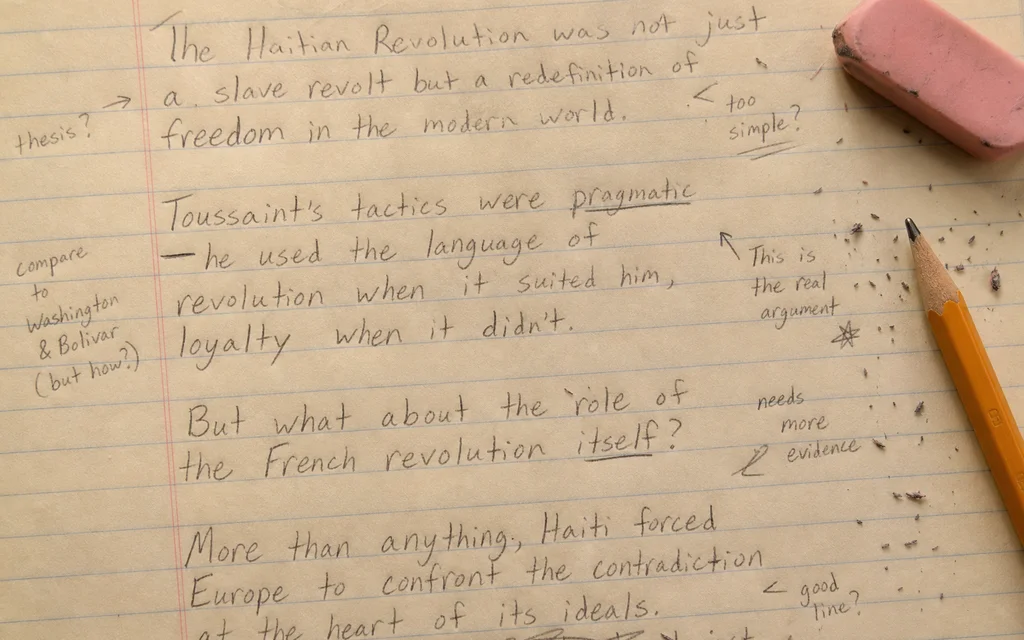
When handwriting stays chaotic, families often hear carelessness. The story is usually more structural than that.
June 2, 2026
Messy writing is one of the most misunderstood signals in childhood learning. On the surface it looks like carelessness: letters above the line, crowded words, uneven spacing, answers that stop halfway. Adults reach for familiar explanations — slow down, try harder, pay attention.
Often the child has been trying. The page simply cannot hold what they know.
Writing asks the brain and body to coordinate many tasks at once: hold an idea, choose words, spell them, form letters, manage spacing, stay on the line, and keep going long enough to finish. When any layer is unstable, the visible result is messiness even when the thinking behind it is sharp.
A child may explain a concept beautifully out loud and produce a page that looks rushed or empty. That gap is not laziness. It can be a sign that formation is not automatic, that stamina runs out quickly, or that confidence on the page has already thinned.
Teachers may focus on neatness because neatness is easy to see. Parents may focus on effort because effort is what they can encourage at home. Neither address the structural question underneath: Does this child have a consistent, trusted relationship with the symbols they are using?
Useful observations are quiet and specific. Does handwriting start legibly and fall apart? Are letters formed differently from one line to the next? Does tension appear before the assignment even begins? Does the child avoid writing even when they enjoy ideas?
Messy writing should be read as a clue — not a character verdict. When families and educators treat it that way, the conversation can move from blame toward understanding, and from understanding toward a foundation that might finally match the child's mind.
— Diane Devenyi

Confidence is not a sticker for good grades. It is part of how children decide whether effort is worth it.
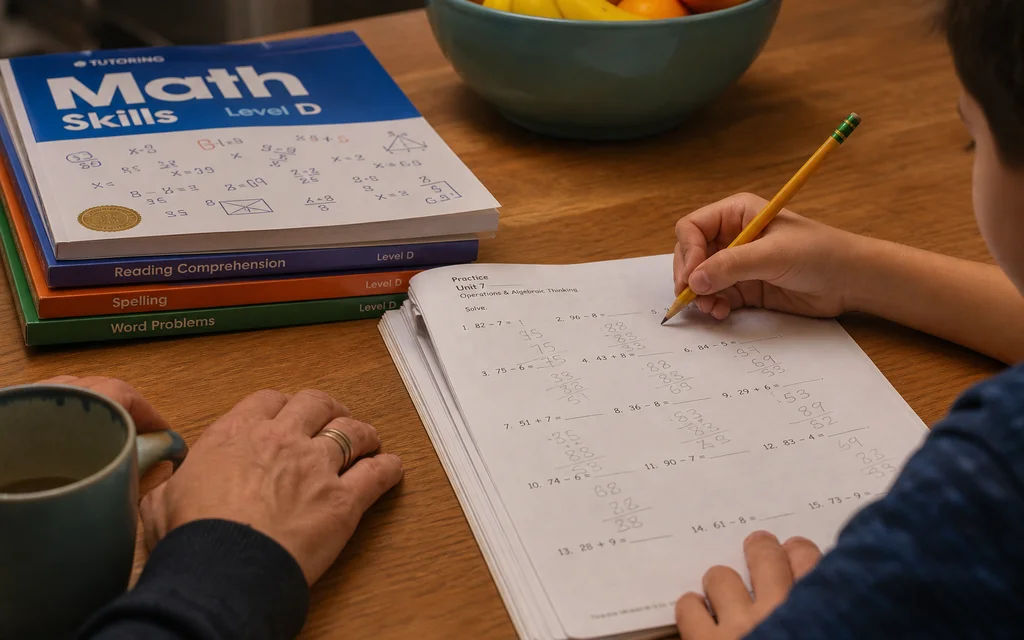
More hours do not always reach the layer where friction lives. A different starting point can change the whole family rhythm.