What families can do when tutoring is not enough
More hours do not always reach the layer where friction lives. A different starting point can change the whole family rhythm.
June 2, 2026
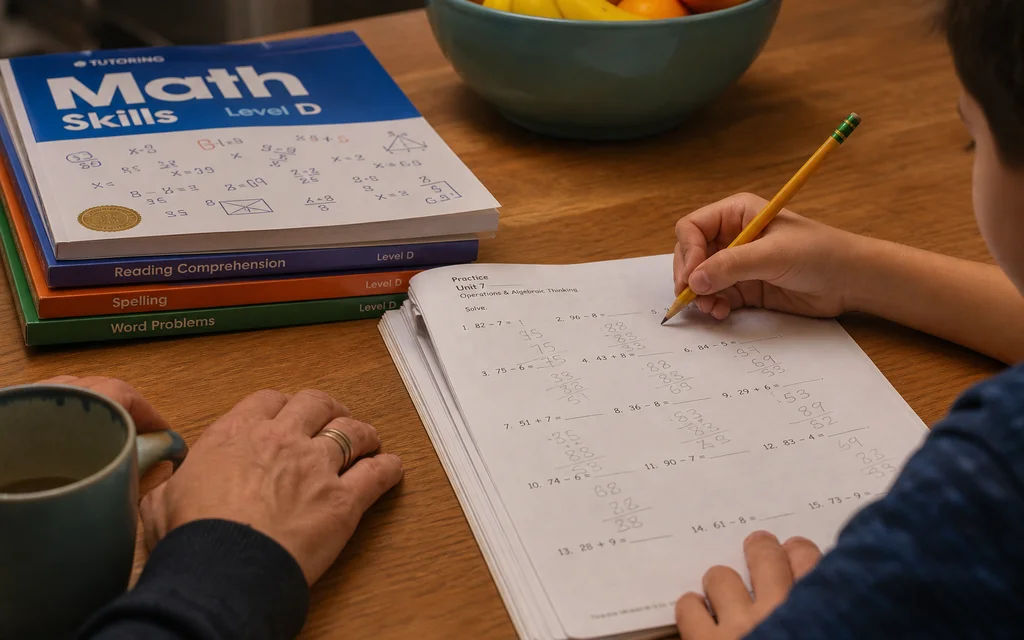
More hours do not always reach the layer where friction lives. A different starting point can change the whole family rhythm.
June 2, 2026
Tutoring can be a gift. A skilled tutor meets a child where they are, explains clearly, and builds skills step by step. Many families invest years in that support — and still feel that something essential is unresolved.
The homework may improve for a while and then slip back. The child may perform in sessions and struggle alone. The household may stay tense around school even when grades look acceptable. That pattern is more common than people admit, and it is not a sign that anyone failed.
Often tutoring addresses the task in front of the child: this essay, this unit, this exam. The friction may live one layer down — in how letters are formed, how spelling patterns are held, how reading energy is spent, how confidence on the page was shaped long before this assignment existed.
Adding sessions can help a child survive the semester. It may not change how they feel when they sit down to write on their own. Families sometimes describe a child who is "fine with the tutor" and miserable without one. That is information about dependency on external scaffolding, not about ability.
A different starting point does not reject tutoring. It asks whether the foundation underneath tutoring is solid enough to hold progress. Alphabet ownership, consistent formation, and learning self-trust are not trendy phrases — they are practical conditions that determine whether support sticks.
Before signing up for another block of hours, it may help to pause and observe. Where does the struggle begin — at the idea, the word, the letter, or the first mark on the page? Does the child believe they are capable, or have they learned to expect the page to betray them?
Those answers can guide a calmer next step: sometimes continued tutoring with a clearer focus, sometimes a foundation-first program, sometimes a conversation with school that names what is underneath the grades. The goal is not to abandon help. It is to choose help that reaches the layer where the friction actually lives.
— Diane Devenyi
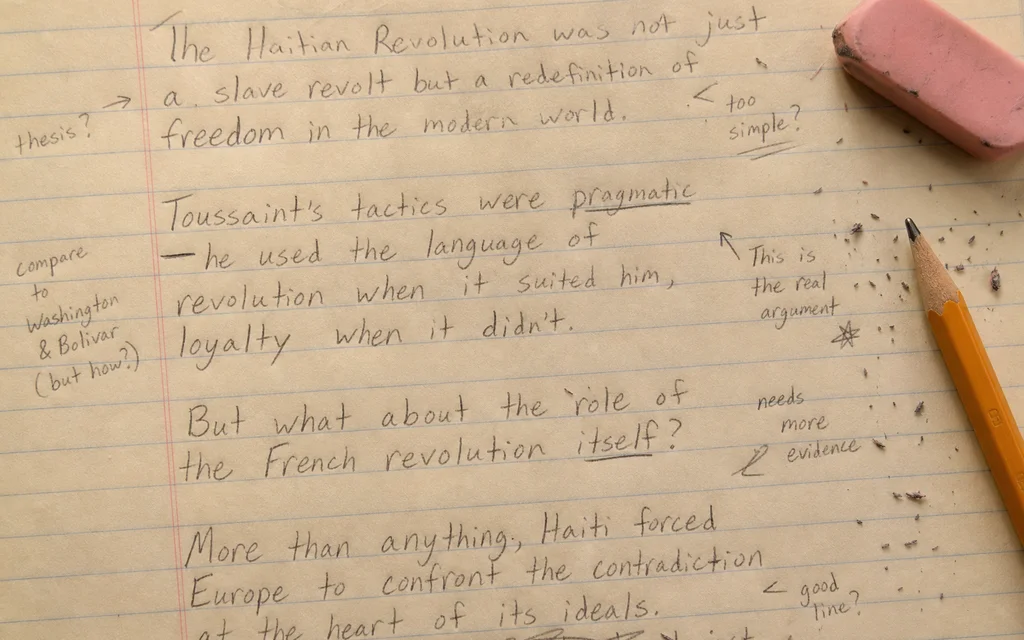
When handwriting stays chaotic, families often hear carelessness. The story is usually more structural than that.

Confidence is not a sticker for good grades. It is part of how children decide whether effort is worth it.