Relearning in the age of AI
Technology will keep shifting tools. Foundational ownership of symbols and patterns still belongs to the learner.
June 2, 2026
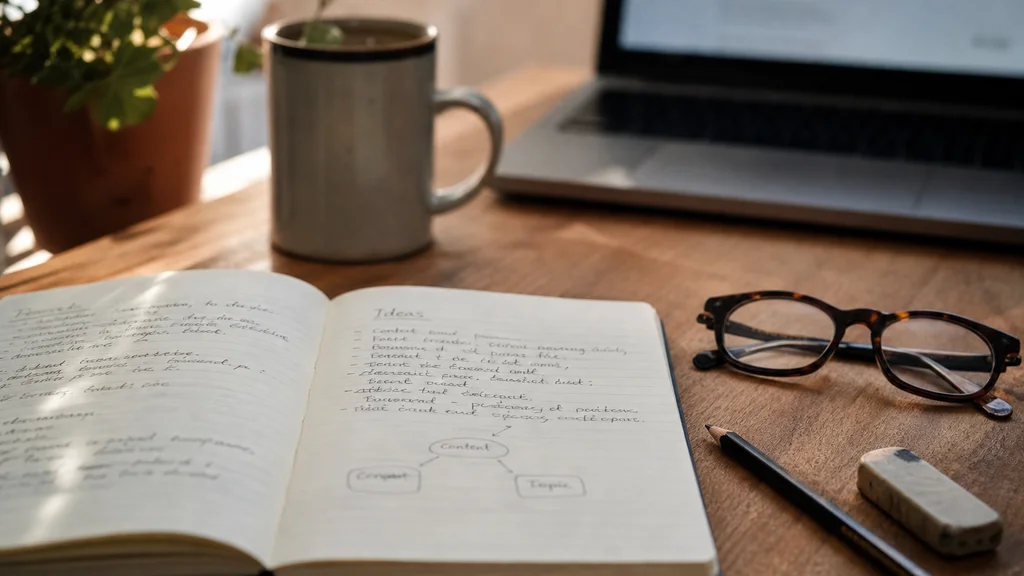
Technology will keep shifting tools. Foundational ownership of symbols and patterns still belongs to the learner.
June 2, 2026
Every generation meets a tool that promises to change learning forever. Today it is artificial intelligence: drafts in seconds, answers on demand, tutoring at scale. The tools will keep evolving. The question underneath them is older: What must still belong to the learner?
Foundational ownership of symbols and patterns is not nostalgia. It is how a child knows whether a generated paragraph makes sense, whether a spelling suggestion fits, whether a shortcut helped or replaced thinking they needed to build. When letters and words are fragile, technology can feel like magic and threat at once — magic because it fills gaps, threat because it exposes how little feels secure without it.
Automatic letter formation frees attention for ideas. Stable spelling patterns make reading less costly. Confidence on the page shapes whether a child will revise, question, or hand work in at all. Those capacities are not replaced by models; they are what lets a child use models wisely.
Educators and parents are right to ask how AI belongs in classrooms and homes. The Learning Force begins with a quieter premise: before we debate policy, we can notice whether the learner has something solid to stand on. Relearning — the courage to revisit what was rushed or assumed — may matter more than any single app.
Curiosity beats fear. A child who owns their symbols can treat AI as a collaborator. A child who does not may outsource the very skills they were meant to grow. The work is not to ban tools or pretend they do not exist. It is to make sure the human learner remains at the center — capable, critical, and willing to try again when the first draft is not enough.
— Diane Devenyi
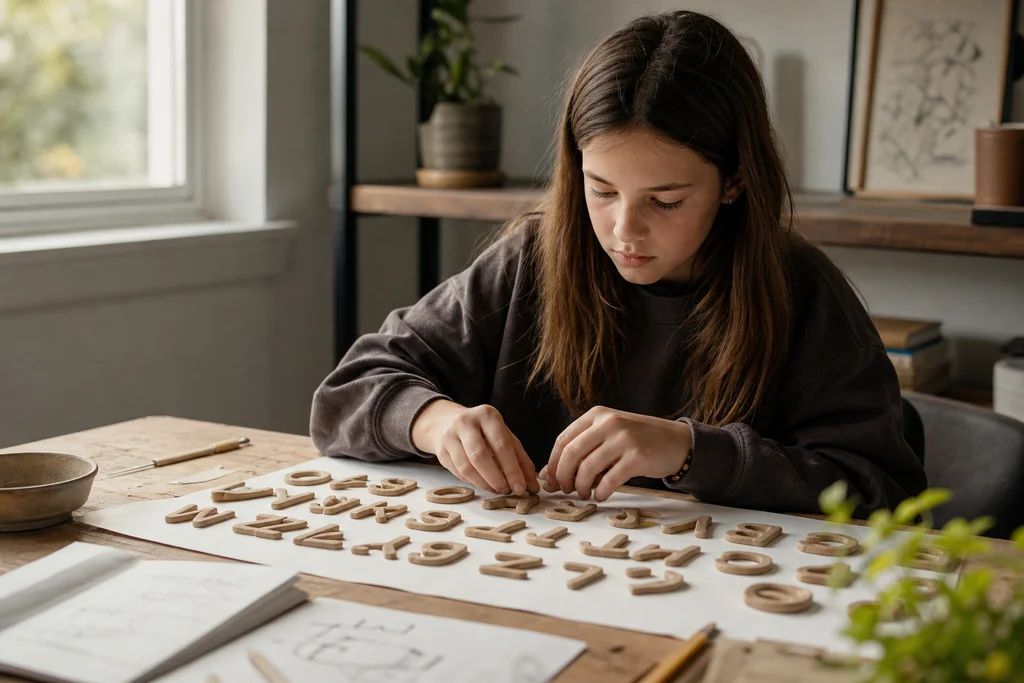
Letters are symbols children carry into every subject. What changes when we treat them as ownership, not recall?
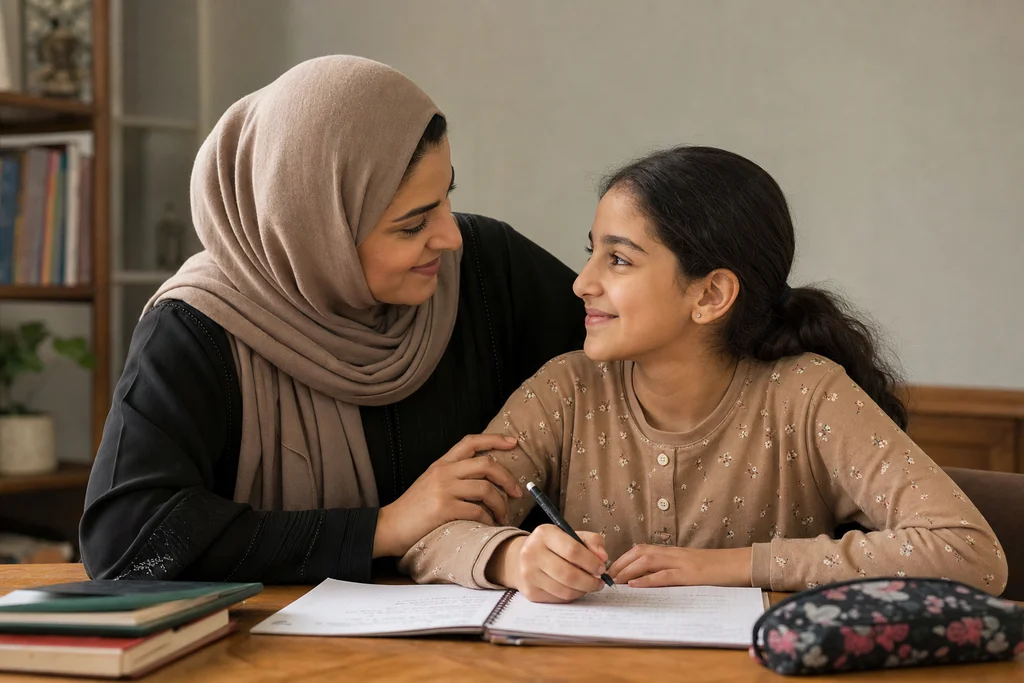
Confidence is not a sticker for good grades. It is part of how children decide whether effort is worth it.